Pages

Tuesday, September 24, 2019

My Investigation on climate change

My Investigation on climate change


ACIDIFICATION

DEFINITION: Ocean acidification is the ongoing decrease in the pH of the Earth's oceans, caused by the uptake of carbon dioxide (CO. 2) from the atmosphere. Seawater is slightly basic (meaning pH > 7), and ocean acidification involves a shift towards pH-neutral conditions rather than a transition to acidic conditions (pH < 7).

What is happening to the oceans? 
The ocean level is rising because of the ice melting and it is becoming more acidic because it absorbs 2/3 of earth's CO2.

What does this do to shellfish?
It deforms the shellfishes because it can't handle the acid of the ocean. 

HOW DOES CLIMATE CHANGE CONTRIBUTE TO THE ACIDIFICATION OF OUR OCEANS?

Ocean acidification refers to decreasing levels of pH in the ocean, which makes the sea more acidic. It is the long-term change in seawater chemistry due to the absorption of carbon dioxide from the atmosphere. Roughly 30 per cent of human-made CO2 is absorbed by the oceans.


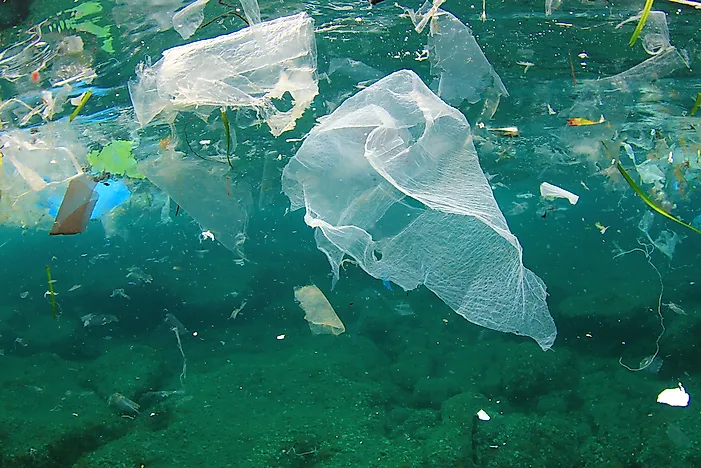
2 Images;

Image result for water pollution

Image result for ocean pollution

DEFINITION: Deforestation, clearance, clearcutting or clearing is the removal of a forest or stand of trees from land which is then converted to a non-forest use.Deforestation can involve conversion of forest land to farms, ranches, or urban use. The most concentrated deforestation occurs in tropical rainforests.

What are trees used for? 
Trees provide them shelter from the weather and from enemies. Trees provide food in the form of fruits, nuts, leaves, bark, and roots. Even dead trees provide shelter and food for many insects.

HOW DOES DEFORESTATION AFFECT THE CLIMATE?

Burning or cutting down trees reverses the effects of carbon sequestration and releases greenhouse gases (including carbon dioxide) into the atmosphere. Furthermore, deforestation changes the landscape and reflectivity of the earth's surface, i.e. decreasing albedo.

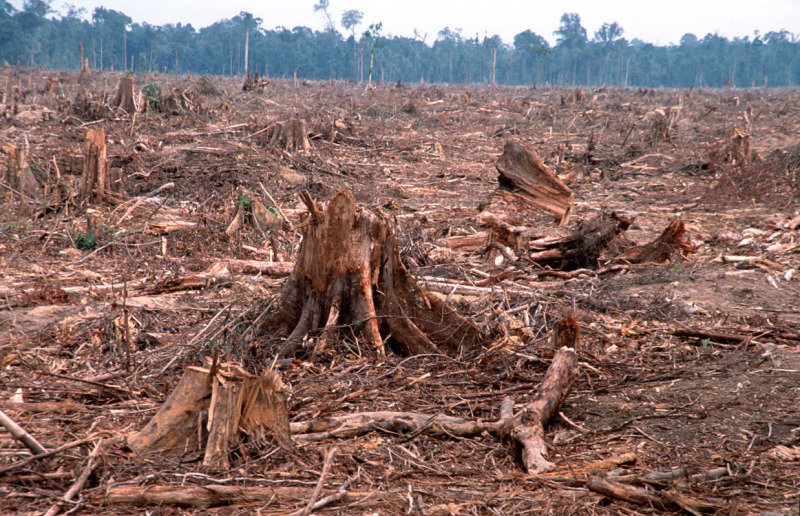
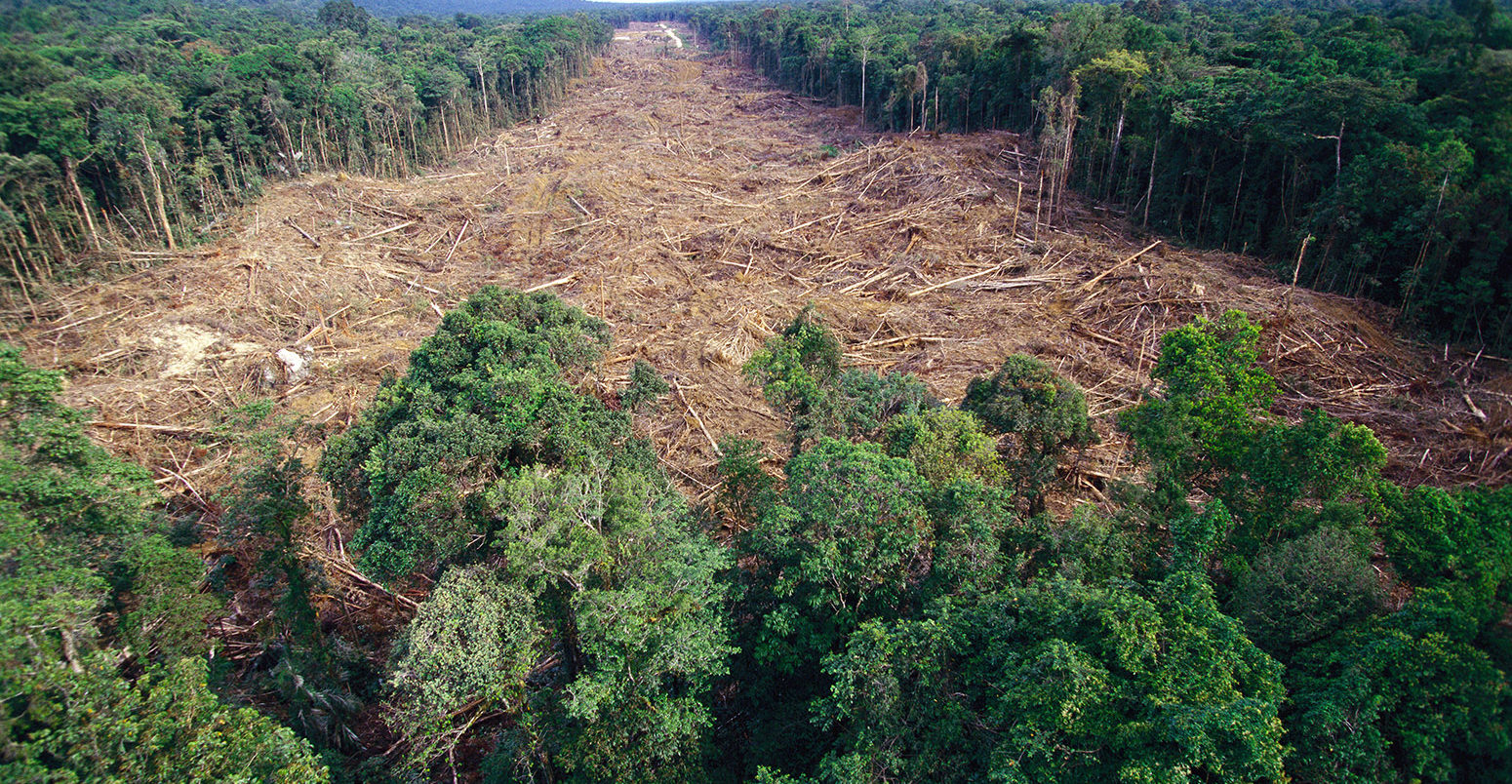
2 Images;
Image result for deforestation

Image result for deforestation


ICE CAP MELT

DEFINITION: The ice caps are the thick layers of ice and snow that cover the North and South Poles. This could cause the ice caps to melt.

If all the ice melted what would happen? 
The ocean level will go high and the world will become hotter.

HOW DOES ICE CAP MELT AFFECT CLIMATE CHANGE?

The primary cause of this phenomenon is ice-albedo feedback, whereby melting ice uncovers darker land or ocean beneath, which then absorbs more sunlight, causing more heating.

2 Images;Image result for HOW DOES ICE CAP MELT AFFECT CLIMATE CHANGE?
Image result for HOW DOES ICE CAP MELT AFFECT CLIMATE CHANGE?


WATER VAPOUR

DEFINITION:Water vapor, water vapour or aqueous vapor is the gaseous phase of water. It is one state of waterwithin the hydrosphere. Water vapor can be produced from the evaporation or boiling of liquidwater or from the sublimation of ice. Unlike other forms of water, water vapor is invisible.

HOW DOES  WATER VAPOUR AND EVAPORATION CONTRIBUTE TO CLIMATE CHANGE? 

Warmer air is able to hold more moisture. As the climate warms, air temperatures rise, more evaporation from water sources and land occurs, thus increasing the atmospheric moisture content.


2 Images;Image result for water vapour
Image result for water vapour


Hurumanu - Science Laboratory introduction

Aim: To learn about the expected behaviour in a science laboratory.


Our R9 Class Treaty
  1.   Bags under your desk.
  2.   No food or drink.
  3.   No running.
  4.   Don't touch experiments.
  5.   Report any breakages or spills. 
  6.    Do not taste or sniff anything.
Safety in a laboratory.

teacher   shoes   practical  teacher laboratory   ask  sniff teacher  breakages 
  1.   Follow the instructions given to you by the _teacher _.
  2.   You must not enter the laboratory without your _teacher_.
  3.   Report all _breakages_ to your teacher.
  4.   You must never eat or drink in a _science laboratory _.
  5.   _Shoes_ must be worn at all times.
  6.   If you spill something you should tell your _teacher_ immediately.
  7.  You should wash your hands after every _practical_ activity.
  8. You should know what you are doing. If in doubt _ask_ your teacher.
  9. Never taste or _sniff_ chemicals.
In your group, discuss how the following scenarios could be dangerous.
  1. Not putting your bag under your desk.
  2. Running around in the laboratory.
  3. Not wearing shoes in a laboratory.
  4. Shaking a test tube with your thumb over its mouth?
How do we work in this laboratory?
  1. Beginning and End of class: Lining up, Entry, Seating, 
  2. Equipment tray: equipment list and details.
  • Test tube - This is used for experiments using liquids. They have a bung that can be placed in the top. Test tubes sit in a test tube rack.

Image result for test tube
  • Conical Flask - This is used for experiments with liquid up to 150 ml. The flask has a rubber bung for the top and the glass is heatproof.
Image result for conical flask
  • Glass Stirring rod - This is a 20cm glass rod used to stir and mix any liquids together.
Image result for glass stirring rod
  • Test tube tongs - These are used to hold a hot test tube after an experiment.
Image result for test tube tongs
  • Spatula - This is for holding very small amounts of chemical powders.
Image result for spatula for science
  • Funnel - used to channel liquids into a smaller container.
Image result for funnel
  • Measuring Cylinder - This is used to measure liquids for experiments. The liquids will be poured into a beaker or test tube once measured out.
Image result for measuring cylinder