I am a student at in Uru Mānuka. In 2020 I was a year 9 and in 2021 I will be a year 10. This is a place where I will be able to share my learning with you. Please note....some work won't be edited - just my first drafts, so there may be some surface errors. I would love your feedback, comments, thoughts and ideas.
Thursday, May 20, 2021
Testing The Presence of Oxygen | Glowing Splint
Monday, May 17, 2021
Metal Oxide Experiment
Making a Metal Oxide
![]() |
| It went like this. (not the actual photo of my experiment) |
Metal Reaction | Science
Kamusta everyone, today in science we were doing an experiment about metal and how it reacts to acid.
Friday, May 7, 2021
Magnetic Metals | Science
Kia Ora everyone today in science we were tasked to research metals, I chose the topic; magnetic metals and research it.
![]() |
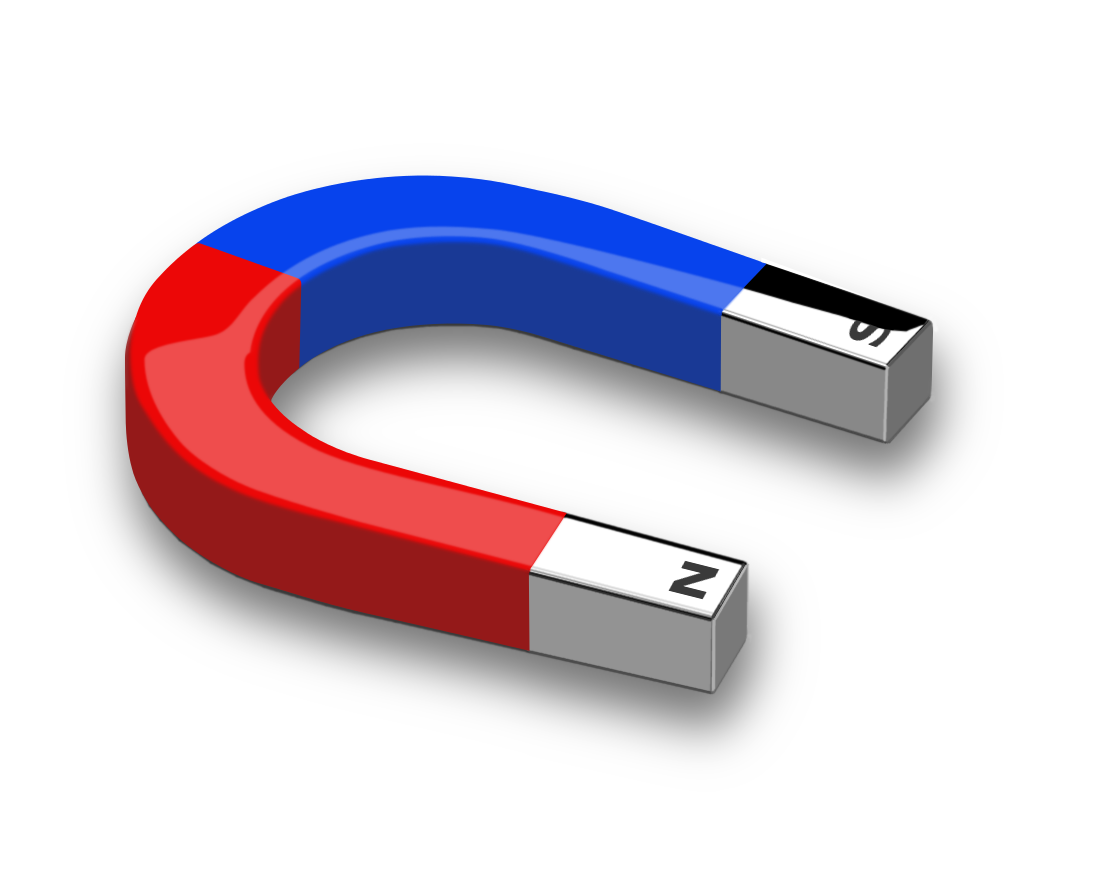
| Magnet |
When magnetic dipoles align they create a magnetic domain, a localized magnetic area that has a north and a south pole.
In unmagnetized materials, magnetic domains face in different directions, canceling each other out. Whereas in magnetized materials, most of these domains are aligned, pointing in the same direction, which creates a magnetic field. The more domains that align together the stronger the magnetic force.
![]() |
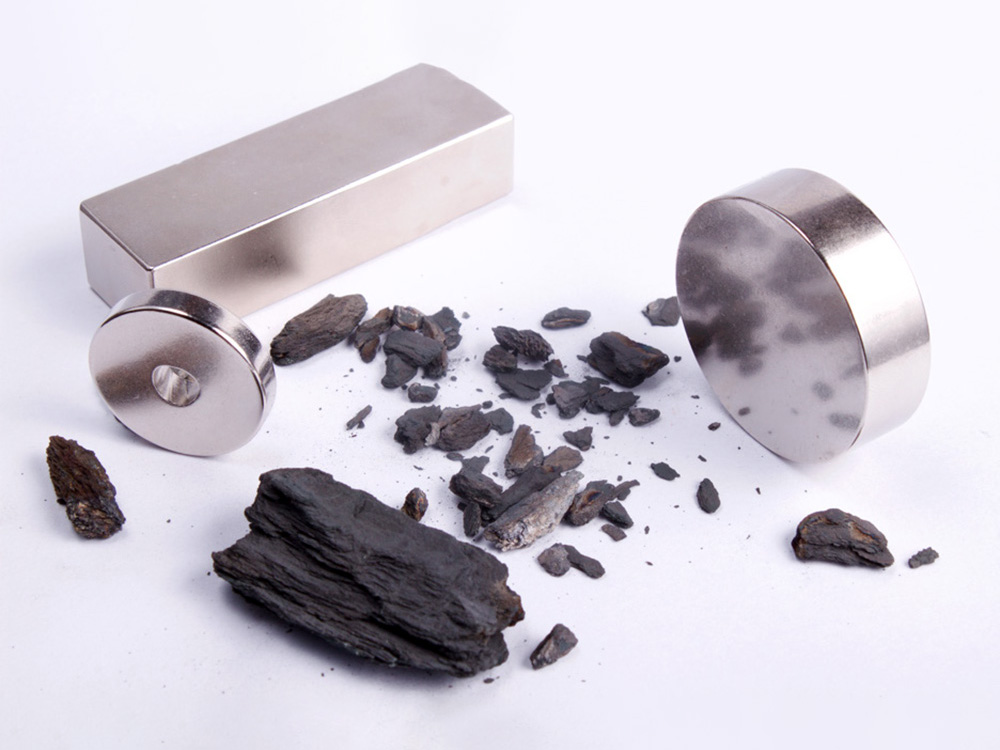
| Neodymium |
Friday, April 9, 2021
Acid Rain Experiment
Kamusta everyone today in Science we were talking about Acid Rain, and we did an experiment similar to acid rain but in a small version.
![]() |
| Acid Rain Pathway |
Acid rain is caused by a chemical reaction that begins when compounds like sulfur dioxide and nitrogen oxides are released into the air. These substances can rise very high into the atmosphere, where they mix and react with water, oxygen, and other chemicals to form more acidic pollutants, known as acid rain.
Acid Rain Experiment
Thursday, March 25, 2021
Atomic Science: Periodic Table
Kia ora everyone this past few lessons on science we were studying about the periodic table, elements, atoms, chemical and physical change, electrons, balancing symbol equations, mixture, and compounds, and chemical word equations. We also played Element Bingo.
The periodic table shows us all the elements and their physical properties, it is arranged base on atomic number and electron configuration.
Alkaline Metals
| Alkaline Earth Metals |
The alkaline earth metals are six chemical elements in group 2 of the periodic table. They are beryllium, magnesium, calcium, strontium, barium, and radium. The elements have very similar properties: they are all shiny, silvery-white, somewhat reactive metals at standard temperature and pressure. They react to everything because their outer shell is unstable which means it only has 1 electron. Having 1 electron is easier to get rid of it rather than gaining 7 more, so it reacts to everything
Alkaline Metal Experiment
We also did an experiment about alkaline metals, but we only use Lithium (Li) and Sodium (Na). Ms put the Lithium onto the water and it bounces very fast which causes it to levitate while levitating there was smoke coming from the lithium, due to the reaction of the chemical and water. The lithium slowly dissolves (base on what I think) and shrank to the bottom of the container and started to dye the water, purple.
Thursday, August 13, 2020
Stop Motion - Conduction
𝔗𝔥𝔦𝔰 𝔦𝔰 𝔬𝔲𝔯 𝔴𝔬𝔯𝔨:
ℌ𝔬𝔴 𝔡𝔬𝔢𝔰 𝔠𝔬𝔫𝔡𝔲𝔠𝔱𝔦𝔬𝔫 𝔴𝔬𝔯𝔨?
ℭ𝔬𝔫𝔡𝔲𝔠𝔱𝔦𝔬𝔫 𝔦𝔰 𝔱𝔥𝔢 𝔭𝔯𝔬𝔠𝔢𝔰𝔰 𝔟𝔶 𝔴𝔥𝔦𝔠𝔥 𝔥𝔢𝔞𝔱 𝔢𝔫𝔢𝔯𝔤𝔶 𝔦𝔰 𝔱𝔯𝔞𝔫𝔰𝔪𝔦𝔱𝔱𝔢𝔡 𝔱𝔥𝔯𝔬𝔲𝔤𝔥 𝔠𝔬𝔩𝔩𝔦𝔰𝔦𝔬𝔫𝔰 𝔟𝔢𝔱𝔴𝔢𝔢𝔫 𝔫𝔢𝔦𝔤𝔥𝔟𝔬𝔲𝔯𝔦𝔫𝔤 𝔞𝔱𝔬𝔪𝔰 𝔬𝔯 𝔪𝔬𝔩𝔢𝔠𝔲𝔩𝔢𝔰. 𝔗𝔥𝔢𝔰𝔢 𝔳𝔦𝔟𝔯𝔞𝔱𝔦𝔫𝔤 𝔪𝔬𝔩𝔢𝔠𝔲𝔩𝔢𝔰 𝔠𝔬𝔩𝔩𝔦𝔡𝔢 𝔴𝔦𝔱𝔥 𝔱𝔥𝔢𝔦𝔯 𝔫𝔢𝔦𝔤𝔥𝔟𝔬𝔲𝔯𝔦𝔫𝔤 𝔪𝔬𝔩𝔢𝔠𝔲𝔩𝔢𝔰, 𝔪𝔞𝔨𝔦𝔫𝔤 𝔱𝔥𝔢𝔪 𝔞𝔩𝔰𝔬 𝔳𝔦𝔟𝔯𝔞𝔱𝔢 𝔣𝔞𝔰𝔱𝔢𝔯 𝔞𝔫𝔡 𝔱𝔥𝔢 𝔤𝔩𝔲𝔢 𝔰𝔱𝔞𝔯𝔱𝔢𝔡 𝔱𝔬 𝔲𝔫𝔰𝔱𝔦𝔠𝔨 𝔪𝔞𝔨𝔦𝔫𝔤 𝔱𝔥𝔢 𝔠𝔩𝔦𝔭𝔰 𝔣𝔞𝔩𝔩. 𝔄𝔰 𝔱𝔥𝔢𝔰𝔢 𝔪𝔬𝔩𝔢𝔠𝔲𝔩𝔢𝔰 𝔠𝔬𝔩𝔩𝔦𝔡𝔢, 𝔱𝔥𝔢𝔯𝔪𝔞𝔩 𝔢𝔫𝔢𝔯𝔤𝔶 𝔦𝔰 𝔱𝔯𝔞𝔫𝔰𝔣𝔢𝔯𝔯𝔢𝔡 𝔳𝔦𝔞 𝔠𝔬𝔫𝔡𝔲𝔠𝔱𝔦𝔬𝔫 𝔱𝔬 𝔱𝔥𝔢 𝔯𝔢𝔰𝔱 𝔬𝔣 𝔱𝔥𝔢 𝔰𝔭𝔬𝔬𝔫.
Thursday, June 25, 2020
Distillation Experiment
- coke zero
- conical flask
- heatproof mat
- a delivery tube and bung
- element
- tripod
- gauze mat
- retort stand
- boiling tube
- When the coke(solution) started to boil and it starts to evaporate.
- You can see condensation on the conical flask.
- Evaporated coke went to the delivery tube and now it's white like water, then the delivery tube delivered the liquid to the cold boiling tube.
- The cold boiling tube turns the steam into waters(solvent).
- What left on the conical flask is the sugar.
Thursday, May 28, 2020
Filtration Experiment
Filtration Experiment:
Aim: To Separate a solution from a precipitate (precipitate is the name for a solid that forms in a liquid during a chemical reaction).
Hypothesis: I think the mixture will be the same even if it's filtered
Method: 1. Pour approximately 50mL of copper sulfate solution into a beaker.
2. Add the same volume of sodium carbonate solution. A reaction will happen, you should see a cloudy blue precipitate form. Called copper carbonate.
3. Watch demo then fold filter paper to fit inside the funnel
4. Place the funnel with the filter paper inside of it, into the mouth of a conical flask.
5. Stir the mixture in the beaker, then carefully pour it into the funnel.
6. Observe what happened.
Equipment:
Sodium carbonate
Copper sulfate
Conical flask
Stirring Rod
200mL Beaker
Funnel
Filter paper
Wednesday, May 13, 2020
Science - Respiratory System
- Do 15 min of Quizlet
- Which two gases are the respiratory system trying to move:
INTO THE BODY:
|
Oxygen (O2)
|
OUT OF THE BODY:
|
Carbon Dioxide (CO2)
|
|
We breathe because oxygen is needed to burn the fuel [sugars and fatty acids] in our cells to produce energy. Oxygen is brought into the lungs via breathing, where it is transported by red blood cells to the entire body to be used to produce energy.
|
- Click on the picture below… then Edit the drawing to complete the 3 tasks.
- What do each of these features do to help us breathe:
Feature:
|
Breathing In:
|
Breathing Out:
|
Diaphragm
|
Diaphram contract and move forward.
|
Diaphram muscle relaxed
|
Intercostal muscles/ Rib cage
|
rib cage both upward and outward when you inhale.
|
Rib cage muscle relaxed
|
Lungs
|
lungs expand
|
Lungs deflate
|
Chest
|
Chest enlarged
|
Chest falls
|
Tuesday, May 12, 2020
Science - Circulatory System and Heart
Heart and Circulatory System
- Do 10min of Quizlet
- What is the difference between Oxygenated Blood and Deoxygenated Blood?
- Fill in the blanks using the words: LEFT, RIGHT, BODY, LUNGS
- Label the heart diagram on this GAME HERE. Take a screenshot of your finished diagram and share it below:
- What is the purpose of the circulatory system? Why is it important? It carries oxygen and essential nutrients to all cells around the body in arteries and carries the waste products and carbon dioxide in veins.
- What causes a heart attack? Fatty deposits, or plaques, develop on a wall on our coronary arteries. The plaques can turn into blockages, if one of the plaques ruptures or crack, a blood clot will form around it in minutes, and partially close artery can become completely blocked. Blood flow is cut off to the cardiac muscle and the oxygen-starved cells start to die within several minutes.
- What are 2 medications which can help with a heart attack? How do they help? Aspirin - thins the blood
- What are 2 medical procedures doctors may do after a heart attack? Angioplasty - reopening the blocked artery by inflating it with the ballon and insert a metal or polymer stent that will hold the artery open.
- Name 3 things which lower the risk for heart attacks. Changing lifestyle. Exercise a healthy diet and diet loss. Eat lots of fibre from vegetables, chicken and fish instead of red meat, whole grains and nuts like walnuts and almonds. Medication can also prevent heart attack
- What colour is blood? RED
- What causes the colour of blood? The interaction between iron and oxygen.
- Why do veins look blue? Veins look blue because they’re under the skin. Skin scatters more blue light than red. The skin around the vein looks redder than the vein itself so, colour contrast enhances the veins bluish colour.
- Do all animals have red blood? Find some examples of animals with different blood colours. Most animals have red coloured blood, but some have different blood colours like spiders and lobster. Their blood is colour blue.
Science - Blood
- Use the slides to explain which part of the blood does the following job:
- Carry oxygen to cells from lungs: Red blood cells
- Carry nutrients from your digestive system: Circulatory System
- Fight infection/sickness: White blood cells (WBCs)
- Help blood clot in cuts: Platelets
- Carry carbon dioxide to lungs: Carry carbon dioxide to lung
- Platelet- explaining what it does to help heal a cut.
- White Blood Cell- explaining how they help fight infection